
A giant lunar crater identified just two years after it formed, hints of liquid nitrogen on Pluto, rings changing before our eyes: September 2026 has been a packed month for astronomy. Here are the discoveries that actually matter, without the hype.
01 — The Moon
The largest crater ever seen forming in the solar system
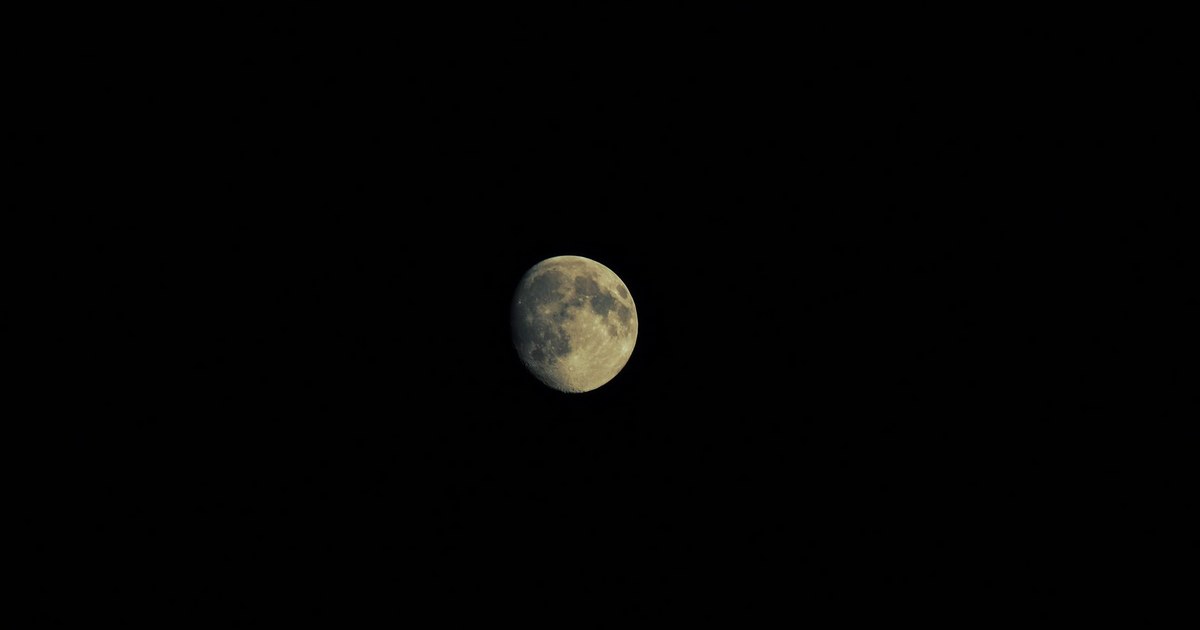
NASA's Lunar Reconnaissance Orbiter identified a 220-meter-wide crater that appeared on the Moon in 2024 — the largest newly formed crater ever observed anywhere in the solar system. The orbiter has been circling the Moon since 2009, continuously comparing images of the same terrain to spot changes.
This kind of finding isn't just trivia for future lunar missions: knowing how often impacts of this size occur directly shapes decisions about where to place durable surface infrastructure.
02 — Pluto
Liquid nitrogen may have flowed on Pluto
Evidence suggests liquid nitrogen may have flowed across Pluto's surface — a dwarf planet where average temperatures hover around -230°C. If confirmed, this fits a broader trend from recent years: Pluto is far from the geologically dead world once assumed before New Horizons flew by in 2015.
03 — Chariklo
James Webb spots changing rings
Chariklo, a small object orbiting between Saturn and Uranus, has its own ring system — a rarity outside the major planets. The James Webb Space Telescope has revealed unexpected changes there, raising new questions about how stable this kind of structure can be around such a modest-sized object.
04 — The Roman telescope
Twice as much fuel as expected
NASA's Roman Space Telescope, still being commissioned, may now have enough fuel for at least 22 years of science — more than double its originally planned 10-year design life. That turns an already ambitious project into a potential long-haul observatory.
05 — FAQ
Frequently asked questions
Why keep monitoring the Moon's surface if we already know it so well?
Precisely because it keeps changing: new impacts happen regularly, and spotting them helps assess risks for future lunar bases.
What does liquid nitrogen on Pluto actually change?
It reinforces the idea that Pluto remains geologically active despite its distance and extreme cold — a far more dynamic world than assumed a decade ago.
Does the Roman telescope replace James Webb?
No, the two are complementary: Roman is built to map vast swaths of sky, while James Webb excels at detailed observation of specific objects.
06 — Sources
Sources
References
- September 2026 science discoveries
- lejma.fr
- SciTechDaily — space news
- scitechdaily.com
Réagissez
Commentaires